Why Choose a Coffee Making Robot for Your Business?

Choosing a Coffee Making Robot is no longer a futuristic idea reserved for airports or technology exhibitions. Cafés, hotels, offices, and convenience stores now face practical pressure: rising labor costs, uneven drink quality, and long queues during busy periods. A robotic coffee station can repeat programmed recipes, measure ingredients precisely, and serve drinks within a predictable time. The result is not magic. It is controlled workflow. That distinction matters.

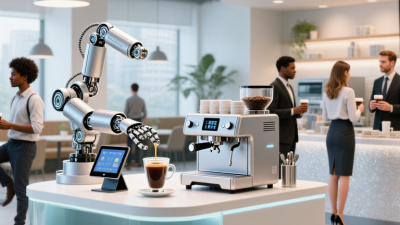
Keith Tan, founder and CEO of Crown Coffee, has said, “Ella is not here to replace humans. Ella is here to augment humans.” His point reflects a more realistic business view. A Coffee Making Robot can handle repetitive tasks, while employees focus on hospitality, equipment checks, cleaning, and customer concerns. In a busy café, the machine may prepare espresso while a staff member greets a family waiting nearby. Small moments like this can improve service.

Still, automation deserves careful reflection. A robot cannot understand every customer’s mood, fix every unusual technical problem, or create genuine human warmth. It also requires investment, staff training, maintenance, and suitable space. Sometimes, the expected savings may appear slower than planned. That is not a failure, but a warning to calculate honestly. Businesses should compare output, downtime, energy use, and customer satisfaction before purchasing. The strongest choice is rarely “robot versus people.” It is often a balanced system where technology supports skilled employees and delivers dependable coffee without removing the human character of the business.
Why Choose a Coffee Making Robot for Your Business?

What Is a Coffee-Making Robot?

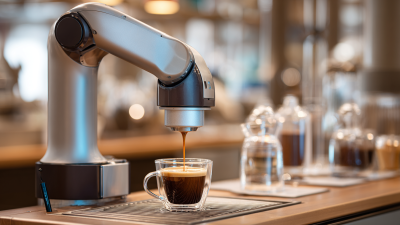
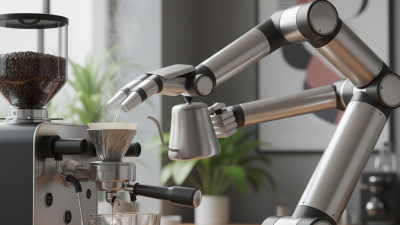
A coffee-making robot is an automated workstation that prepares drinks through programmed, repeatable steps. It may grind beans, measure water, control extraction, steam milk, and place the finished cup for collection. Sensors monitor temperature, weight, cup position, and equipment status during each order. A digital interface sends the recipe to the machine, while software coordinates timing and movement. In practical terms, it combines a coffee brewer, robotic arm, and quality-control system in one compact unit.

For a business, this setup can keep service moving during busy periods. It follows the same recipe more consistently than a rushed employee, especially when orders arrive together. It can also record preparation data, helping managers review waste, downtime, and drink accuracy. However, automation does not remove the need for trained staff. People still refill ingredients, clean milk-contact parts, inspect safety features, and respond to unusual orders. That work is easy to underestimate. A robot may pause because a cup is misaligned or foam behaves differently than expected.

Choosing one requires practical testing, not just an impressive demonstration. Managers should measure drink volume, cleaning time, noise, maintenance access, and staff training needs. They should also test accessibility for different cup sizes and customer preferences. In a practical assessment, the most useful coffee-making robot supports people rather than replacing every human decision. It offers structure and speed, but it can still make mistakes. That limitation deserves honest planning.

How Coffee-Making Robots Work

A coffee-making robot turns a drink order into a measured sequence of small actions. Its software receives the recipe, then checks the cup position, ingredient levels, and machine temperature. Sensors help detect missing cups, blocked lines, or an incorrectly placed lid. The grinder releases a controlled dose of beans into the brewing chamber. Water then passes through the grounds at a programmed temperature and pressure. The system measures time and volume, rather than relying only on appearance. This repeatable process can reduce busy-counter variation during morning rushes. Still, automation is not magic. A poorly calibrated grinder can produce weak coffee, bitter coffee, or both.

For milk drinks, a separate module heats and textures milk with steam or controlled air. Some systems use cameras or weight sensors to check the pour, but these checks are not perfect. Staff should inspect foam, wipe contact surfaces, and follow a documented cleaning schedule. That human step protects taste and hygiene. It also reveals problems early. In daily use, operators may adjust grind size when humidity changes or beans age. A robot can follow instructions precisely, yet it cannot fully judge a customer’s changing preference. Training matters, especially when a recipe needs manual intervention. Businesses should test several drink cycles, record temperatures and extraction times, and review failed orders before depending on unattended service.

Key Business Benefits of Automated Coffee Preparation

A coffee making robot can turn a busy service counter into a more predictable operation. Automated preparation keeps portion sizes consistent, from ground coffee to milk volume. This helps businesses control ingredient costs and reduce avoidable waste. Staff can focus on customer questions, food presentation, and cleaning duties instead of repeating every drink manually.

Speed matters during morning demand. A well-configured machine can prepare several orders with fewer delays, while its programmed process supports consistent taste across shifts. It also records useful operating information, such as preparation times and ingredient usage. Managers can use these details to adjust menus, staffing, and inventory decisions. However, automation is not magic. Poor calibration, weak cleaning routines, or an unsuitable menu can reduce its value. Human supervision still matters.

Tips: Choose equipment that matches your expected order volume. Test popular recipes during the busiest period, not only in quiet hours. Train staff to check temperature, texture, and presentation. Schedule cleaning between busy cycles. Keep a manual backup plan.

The strongest benefit may be reliability. Customers often return for familiar quality. A repeatable process supports that expectation, even when experienced staff are unavailable. Still, businesses should review customer feedback regularly. Some guests may prefer handcrafted variation. That preference deserves attention, because efficiency should not make the service feel cold.

Why Choose a Coffee Making Robot for Your Business? — Key Business Benefits of Automated Coffee Preparation
Business Dimension Conventional Manual Preparation Automated Coffee Preparation Business Benefit How the Figure Is Derived
Hourly Beverage Capacity Approximately 30 drinks per hour with one operator during a steady service period. Approximately 60 drinks per hour when the automated station supports parallel order preparation. Higher peak-period throughput can reduce queues and increase the number of orders served without expanding the counter area. Planning scenario based on an average preparation time of 2 minutes manually versus 1 minute per drink at an automated station.
Operator Labor Time About 120 labor minutes to prepare 60 drinks. About 60 active labor minutes to prepare the same 60 drinks, excluding loading and cleaning. Staff can spend more time on customer service, replenishment, cleaning, and other revenue-generating tasks. Calculated from the preparation-time assumptions shown in the capacity row.
Recipe Repeatability Results may vary with operator technique, dose, grind adjustment, tamping pressure, and extraction timing. Digital recipes can control defined parameters such as dose, water volume, temperature, and timing. More consistent drinks support customer expectations, easier staff training, and clearer quality control. Based on the controllable variables used in espresso and brewed-coffee preparation; actual consistency depends on calibration and maintenance.
Training Requirement New employees generally need instruction in dosing, grinding, extraction, milk handling, cleaning, and troubleshooting. Training can focus more on order selection, ingredient loading, cleaning routines, and exception handling. Shorter task-specific training can make onboarding easier and reduce dependence on highly experienced operators. Qualitative operational comparison; training time varies by menu complexity and equipment design.
Operating Availability Service is normally limited by staff schedules, breaks, absence, and peak-hour workload. A programmed station can operate during extended service periods, subject to supervision, cleaning, supplies, and local regulations. Businesses may extend service coverage without requiring a continuously dedicated coffee specialist. Availability depends on opening hours, replenishment intervals, sanitation procedures, and equipment uptime.
Order Accuracy Manual entry and preparation can introduce errors, especially during busy periods. Integrated recipe selection and automated dispensing can reduce variation between the selected order and the prepared beverage. Fewer remakes can lower ingredient costs and improve customer satisfaction. Operational benefit is expected when the ordering interface, recipe system, and dispensing equipment are properly integrated.
Ingredient Control Portion sizes may vary between employees and shifts. Predefined recipes can standardize water, coffee, milk, syrup, and other ingredient quantities. More predictable portions improve cost forecasting and make menu-level margin analysis easier. Actual savings depend on recipe accuracy, ingredient prices, waste rates, and user overrides.
Peak-Time Queue Management One operator may become a bottleneck when several orders arrive simultaneously. Automated sequencing and repeatable preparation steps can support a more predictable workflow. Shorter or more consistent wait times can improve the customer experience during rush periods. Queue performance depends on order mix, equipment speed, payment flow, and the number of stations.
Data and Performance Tracking Sales, preparation time, waste, and recipe usage may require manual recording. Connected systems may record order volume, recipe selection, operating time, and maintenance events. Data can support staffing decisions, menu optimization, inventory planning, and preventive maintenance. Tracking capability varies by system configuration and integration with point-of-sale or inventory software.
Scalability Across Locations Replicating quality often requires consistent training and supervision at every site. Standardized digital recipes and operating procedures can be deployed across multiple service points. Multi-site operators can create a more uniform customer experience and simplify process management. Scalability depends on equipment compatibility, connectivity, local service support, and staff compliance.
Planning note: The numerical comparisons are transparent operating assumptions for a 60-drink service scenario, not guaranteed performance claims. Actual results should be validated using the intended menu, order mix, staffing model, cleaning schedule, equipment specifications, and local operating requirements.

Where Coffee-Making Robots Fit Best

Why Choose a Coffee Making Robot for Your Business?

Where Coffee-Making Robots Fit Best

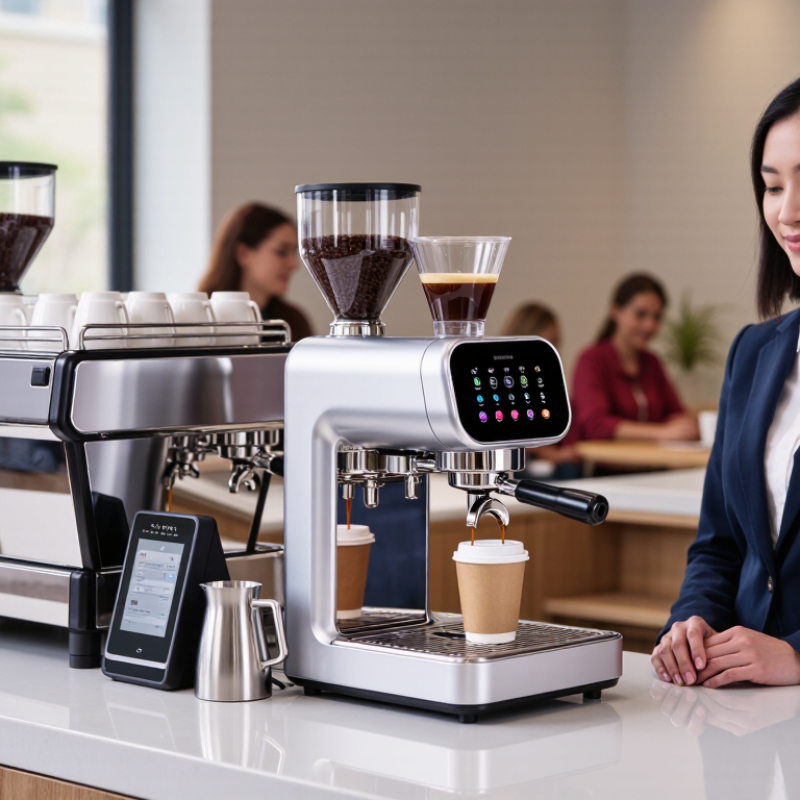
Coffee-making robots work best where demand is steady, menus are focused, and speed matters. Busy offices, transport hubs, hospitals, universities, and large hotels may benefit from predictable drink preparation. During a morning rush, a robot can repeat measured steps while employees handle customers, payments, or food service.

The strongest fit is not always the busiest location. A compact kiosk with limited counter space may gain more value from automated brewing and dispensing. Clear cup placement, simple menu screens, and visible preparation can reduce confusion. Customers still need human support when orders change or equipment pauses. That part is easy to underestimate.

Hygiene remains central. Operators should schedule cleaning, inspect contact surfaces, and follow local food-safety requirements. Staff also need training for refilling ingredients, managing allergens, and responding to faults. In my experience, reliable routines matter more than impressive demonstrations. A robot can produce consistent coffee, but it cannot judge every customer need. Some drinks may taste less personal, especially when recipes remain fixed. Businesses should test the system during quiet and peak periods before expanding its role. Steady performance matters.

Factors to Consider Before Choosing One

Why Choose a Coffee Making Robot for Your Business?

Before choosing a coffee making robot, measure your daily demand, menu complexity, and available floor space. The International Coffee Organization estimated global coffee consumption at 177.9 million 60-kilogram bags in 2023/24. Demand is substantial, but local demand matters more. A machine serving 80 drinks daily may be excessive in a quiet office.

Check speed under real operating conditions. Ask for tested output, recovery time, and performance during morning peaks. The International Federation of Robotics reported approximately 205,000 professional service robots sold worldwide in 2023. This growth shows stronger automation interest, not guaranteed profitability. A demonstration can look impressive. Your queue may behave differently.

Study cleaning routines, ingredient storage, software integration, and repair access before signing anything. Workers should complete daily sanitation without complicated tools. Confirm whether the robot connects with payment systems and inventory records. The National Restaurant Association’s 2024 industry report identified labor costs and recruitment pressures as continuing concerns for operators. Automation may reduce repetitive work, but it still needs trained supervision.

I would not trust a glossy return-on-investment claim alone. That judgment can be wrong. Calculate labor savings, maintenance, electricity, consumables, downtime, and financing over three years. Also observe customer reactions to robotic service. Some guests value speed; others still want a human greeting. Test both.