What Is an Automated Coffee Machine?

Coffee is both a daily ritual and part of a substantial global market. The National Coffee Association’s 2024 National Coffee Data Trends report found that 67% of U.S. adults drank coffee the previous day. The International Coffee Organization estimated global consumption at 177 million 60-kilogram bags in coffee year 2023/24. These figures describe coffee demand, not automated-machine sales. That distinction matters.

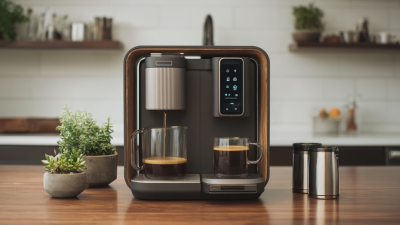
An Automated Coffee machine uses programmed controls to handle some or most brewing steps, from grinding and dosing to extraction. Depending on the model, it may also froth milk, rinse internal parts, and save drink settings. Automated Coffee equipment ranges from bean-to-cup machines in cafés to compact countertop models at home. Not every machine performs every task. Convenience matters.

This guide explains how automated brewing works, which components influence flavor, and how machines differ across home and commercial settings. It also considers practical details, including cleaning routines, drink consistency, and the trade-offs between convenience and control. Automation can improve repeatability, but it cannot rescue stale beans, poor water, or neglected maintenance. A clogged milk path can spoil a morning quickly. That is an unglamorous detail, but an important one. Buyers should compare features with their actual needs, rather than assuming more automation always means better coffee.
What Is an Automated Coffee Machine?

Definition and Core Purpose of an Automated Coffee Machine

What Is an Automated Coffee Machine?

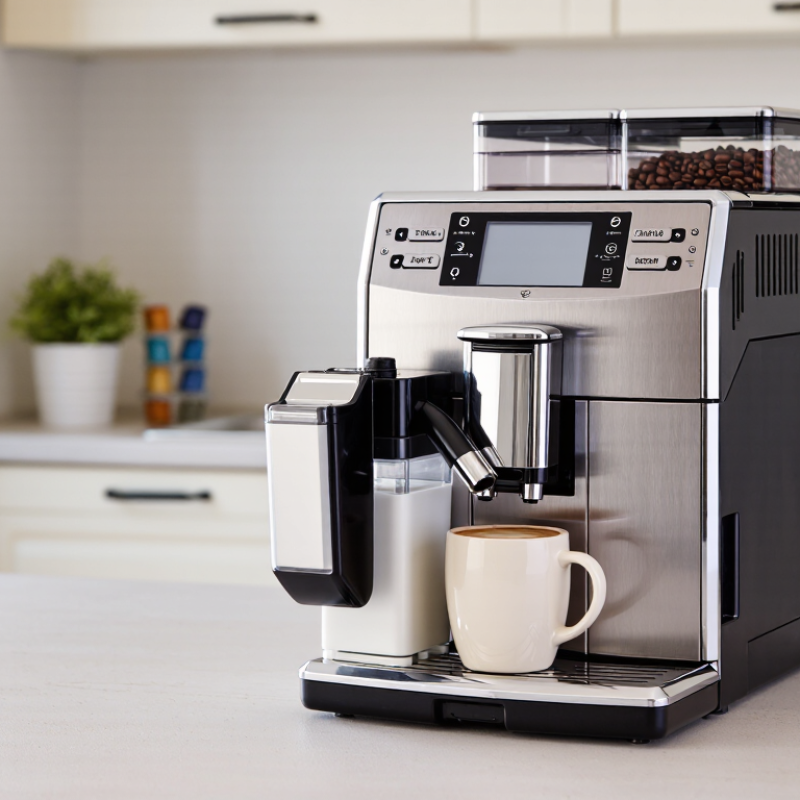
An automated coffee machine is an appliance that prepares coffee with limited manual effort. Its core purpose is consistency, convenience, and controlled brewing. Depending on the design, it can grind beans, measure water, heat it, and extract coffee automatically. Some machines also produce milk-based drinks through built-in steaming or dispensing systems.

In practical use, automation reduces repeated steps during busy mornings. A user selects a drink, adjusts strength or volume, and starts the cycle. Sensors and programmed settings help regulate temperature, water flow, and brewing time. These controls support more predictable results than rough hand measurements. However, automation is not magic. Old beans, hard water, or a dirty brewing chamber can still create flat flavors and weak crema. I have found that convenience sometimes hides small maintenance problems until the taste changes.

Tips: Use fresh water and clean removable parts regularly. Empty the drip tray before it overflows. Check the grinder setting when coffee tastes unusually bitter or thin. A simple log of cleaning dates can prevent missed maintenance. Read the operating guide before changing internal settings. Small adjustments matter.

Key Components and Their Functions

What Is an Automated Coffee Machine?

An automated coffee machine combines grinding, heating, brewing, and dispensing in one controlled system. Its grinder breaks whole beans into a measured dose. Finer settings usually slow water flow, while coarser settings may produce a weaker cup. The hopper stores beans, and the brew unit compresses ground coffee before extraction. A water pump then pushes heated water through the coffee bed at steady pressure.

The heating system controls water temperature for more consistent extraction. Some machines use separate heaters for coffee and milk. A milk frothing system adds air, creating foam for drinks with a softer texture. Sensors monitor water levels, bean supply, brewing pressure, and waste capacity. The control panel sends instructions to these parts, but automation is not perfect. A dirty sensor can trigger a warning too early. A worn seal may also cause leaks or uneven flow. Regular cleaning remains essential.

Tips: Use fresh water and empty the waste tray daily. Clean the brew unit according to the machine’s instructions. Adjust one setting at a time, then taste the result. Keep notes if your coffee changes. Small changes matter. Avoid packing the bean hopper too tightly. Moisture can affect grinding and create clumps. For milk systems, rinse the internal path immediately after use. A short rinse prevents old residue from changing the next drink’s flavor.

What Is an Automated Coffee Machine? - Key Components and Their Functions

Component Primary Function Typical Operating Details User Benefit Common Maintenance
Bean Hopper Stores whole coffee beans before grinding. Common capacity: approximately 150–300 g of beans. Allows several drinks to be prepared without refilling. Keep dry and remove stale beans or excess dust.
Burr Grinder Grinds beans into a consistent coffee particle size. Usually offers multiple grind settings, from fine to coarse. Provides freshly ground coffee and adjustable flavor extraction. Brush away coffee residue and follow the cleaning schedule.
Dosing Mechanism Measures the ground coffee portion for each beverage. Typical espresso doses are about 7–12 g per single serving, depending on settings. Improves consistency from one cup to the next. Inspect for compacted grounds and clean the dosing path.
Brewing Unit Compresses the grounds and directs hot water through the coffee bed. Many automatic systems use a removable or serviceable brewing chamber. Automates tamping, brewing, and spent-puck removal. Rinse regularly and lubricate moving parts when specified.
Water Reservoir Holds the water used for brewing and rinsing. Typical household capacity: approximately 1.0–2.0 L. Supports multiple beverages without a direct water connection. Refill with fresh water and wash the container frequently.
Water Pump Moves water from the reservoir through the heating and brewing circuits. Espresso brewing commonly uses pump pressure near 9 bar at the coffee bed. Enables controlled water flow and pressure during extraction. Use suitable water and descale the hydraulic system as needed.
Heating System Heats water to the temperature required for brewing or steaming. Coffee brewing is commonly controlled around 90–96°C; steam circuits operate at higher temperatures. Provides stable brewing temperature and faster preparation. Descale periodically to reduce mineral buildup and protect heating efficiency.
Thermal Sensor and Control System Monitors and regulates water temperature, timing, and operating conditions. Uses electronic sensors and programmed control logic. Helps maintain repeatable beverage quality and safety. Keep vents clear and address sensor warnings promptly.
Milk Frothing System Adds and aerates milk to produce steamed or frothed milk beverages. May use a steam wand, milk tube, or automatic frothing chamber. Automates the preparation of drinks such as cappuccino and latte. Flush milk pathways after use and clean all milk-contact parts.
Coffee Spouts Direct the brewed coffee into a cup or container. Adjustable spouts accommodate different cup heights. Reduces splashing and supports single- or two-cup dispensing. Wipe and rinse the outlets to prevent residue buildup.
Grounds Container Collects used coffee grounds after brewing. Often holds approximately 8–15 spent servings, depending on design. Simplifies disposal and reduces mess around the machine. Empty and rinse when the machine indicates that it is full.
Drip Tray Collects rinse water, spills, and small amounts of liquid waste. Typically includes a removable tray and a fill-level indicator. Protects the countertop and makes cleanup easier. Empty, wash, and dry the tray regularly.
Control Panel Lets users select beverages and adjust settings. May include buttons, a dial, a display, or touch controls. Makes grinding, brewing, rinsing, and customization easy to manage. Keep the panel dry and clean it with a soft, slightly damp cloth.
Cleaning and Descaling Program Automates rinsing, internal cleaning, and mineral-scale removal procedures. Program frequency depends on water hardness, usage, and machine instructions. Maintains hygiene, flow performance, and beverage consistency. Run the prescribed cycles and use appropriate cleaning products.

How the Machine Prepares and Dispenses Coffee

What Is an Automated Coffee Machine?

How the Machine Prepares and Dispenses Coffee

An automated coffee machine turns measured beans and water into a prepared drink with limited manual effort. When a user selects a recipe, the grinder breaks whole beans into a controlled powder. The machine then delivers a measured dose into the brewing chamber. Small details matter. Grind size, water temperature, and pressure can change the flavor noticeably.

During brewing, an internal pump moves heated water through the compacted coffee bed. Many machines regulate temperature electronically, often near the range suitable for extracting espresso. The brewed coffee flows through a narrow outlet into a cup. Sensors may check water levels, chamber position, and waste capacity before dispensing. This reduces operating errors, although sensors cannot judge freshness or taste.

For milk drinks, the machine draws milk through a separate tube or container. Steam or controlled air creates foam, then the system releases milk into the cup. The order and volume depend on the selected recipe. In practical use, a clean brewing chamber supports more consistent results. Coffee oils can collect inside and produce bitter flavors over time. Automation is helpful, but it is not flawless. A stale bean, blocked nozzle, or inaccurate setting can still weaken the drink. Users should inspect removable parts and follow the cleaning instructions regularly. The machine prepares the coffee, but maintenance remains part of the process.

Common Types and Brewing Options

What Is an Automated Coffee Machine?

Common Types and Brewing Options

An automated coffee machine controls grinding, dosing, water temperature, pressure, and extraction time. Its main advantage is repeatability. The machine can produce a cup before sunrise, even when the user is still half-awake. According to the National Coffee Association’s Spring 2024 National Coffee Data Trends report, 67% of American adults drank coffee the previous day. That habit creates demand for convenient, consistent brewing at home and in offices.

Common types include bean-to-cup machines, capsule systems, automatic espresso machines, and filter coffee makers. Bean-to-cup models grind whole beans immediately, then brew espresso or longer black coffee. Capsule systems reduce preparation time, but they limit control over dose and grind size. Automatic espresso machines usually offer milk frothing, adjustable strength, and programmable volumes. Filter machines suit larger servings and often produce a cleaner, lighter cup.

Brewing options matter more than the machine’s appearance. Espresso requires fine grounds, controlled pressure, and a short extraction. Filter brewing uses coarser grounds and a slower water flow. Some machines support concentrated coffee, hot water, milk drinks, or iced recipes. The International Coffee Organization reported global coffee consumption at about 177.3 million 60-kilogram bags in 2022/23, showing the scale of daily coffee demand. Still, automation is not perfection. A convenient machine may hide stale beans, poor water quality, or an unsuitable grind. Small adjustments remain necessary. Even the smartest setting can taste flat.

What Is an Automated Coffee Machine? Common Types and Brewing Options

Automated coffee machines control key brewing variables such as water temperature, pressure, and timing. The chart shows commonly used water-temperature ranges for several automated brewing options. Drip coffee and bean-to-cup systems generally operate near the standard brewing range of 92–96°C, while espresso and pod systems may use slightly broader settings.

Controls, Cleaning, and Routine Maintenance

What Is an Automated Coffee Machine?

An automated coffee machine controls grinding, dosing, brewing, and milk preparation with programmed settings. Its control panel may include buttons, a touchscreen, or a simple dial. Choose a drink, adjust strength, and check the water level before brewing. Small changes matter. A finer grind can produce stronger coffee, but it may also slow the flow.

Daily cleaning protects flavor and machine performance. Empty the used-coffee container before it becomes full. Rinse the drip tray and wipe coffee residue from the outlet with a clean, damp cloth. If the machine has a milk system, flush it immediately after use. Dried milk can harden inside narrow tubes. Never ignore unusual sounds, leaking water, or bitter flavors. These signs may indicate blocked parts or overdue maintenance. I sometimes find that users clean visible surfaces but forget the brewing unit.

Tips: Keep it simple. Use fresh water each day. Follow the cleaning cycle shown on the display. Do not use sharp tools near seals or sensors. Remove the brewing unit only when the machine instructions allow it. Check the grinder area weekly and brush away loose grounds. Monthly, inspect the gasket, tray, and water filter if one is installed. Record cleaning dates. This small habit makes missed maintenance easier to notice. An occasional mistake is understandable, but repeated neglect can shorten the machine’s working life.