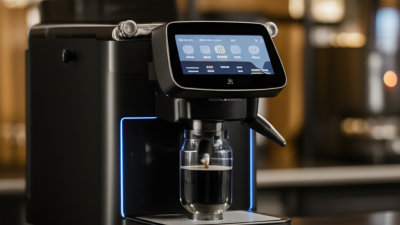
What is a Robot Coffee Barista and How Does It Work?
The rise of the Robot Coffee Barista marks a significant evolution in the coffee industry. According to industry research, the global coffee machine market is projected to reach $7.6 billion by 2024. This reflects a growing demand for automation and efficiency in coffee preparation. Robot Coffee Baristas blend advanced technology with a passion for coffee. They can brew, froth, and serve beverages with precision.
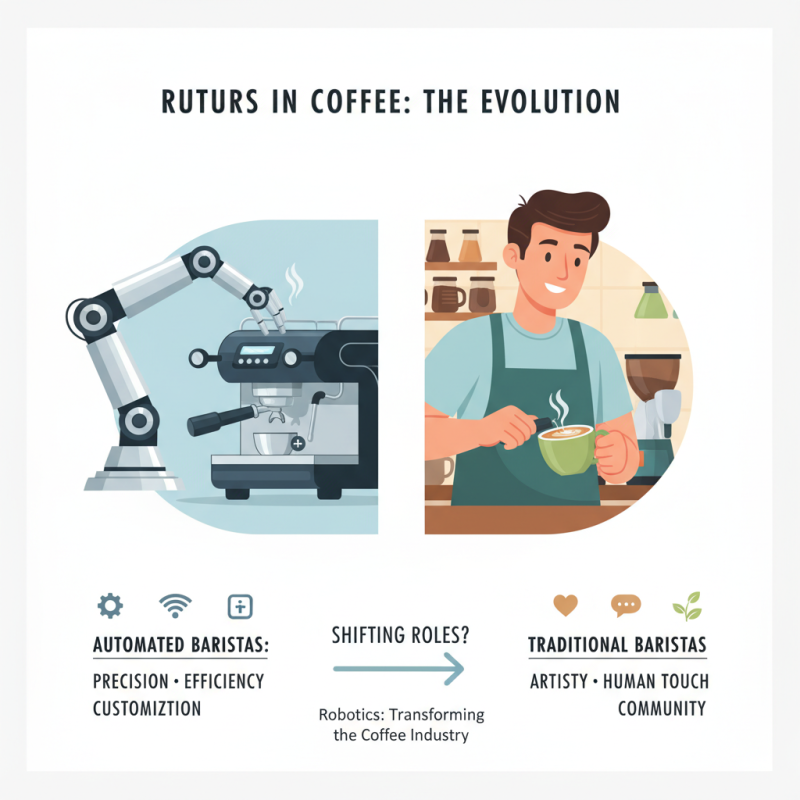
These machines can produce consistent results, freeing baristas to focus on customer service. However, the challenge lies in perfecting flavor profiles. Reports suggest that while customers appreciate efficiency, they also crave the human touch in their coffee experience. Robot Coffee Baristas can streamline operations, but some critics argue they may lack the warmth and artistry that define traditional brewing.
The integration of these robots raises questions about balancing technology with craftsmanship. As the market embraces this shift, it’s vital to consider both the benefits and potential drawbacks. The journey of the Robot Coffee Barista is just beginning, and its impact on the coffee culture remains to be seen.
Understanding the Concept of a Robot Coffee Barista
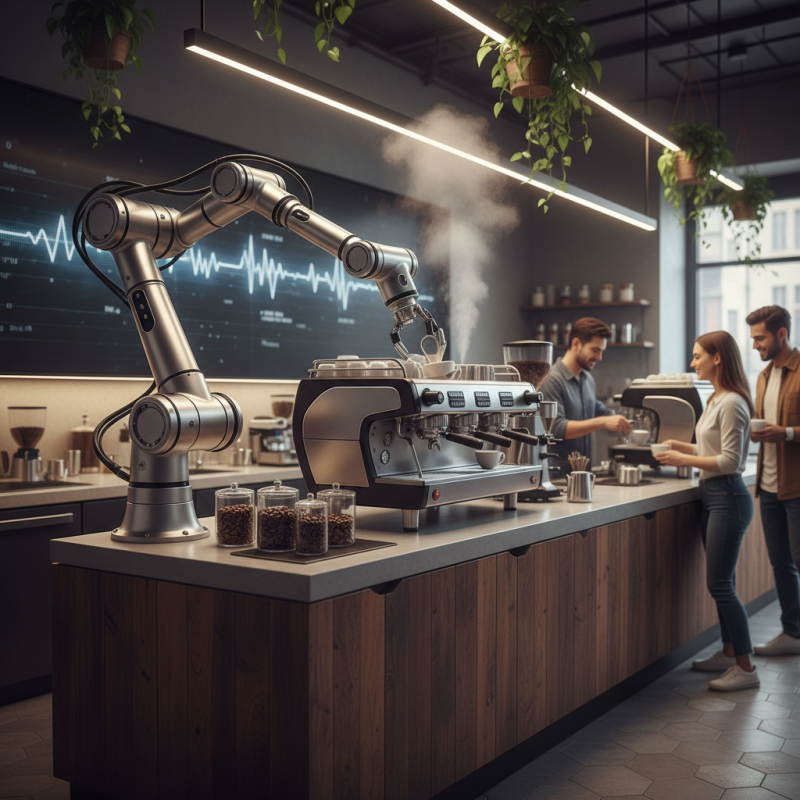
A robot coffee barista represents a fascinating blend of technology and coffee culture. It automates the brewing process, using programmed algorithms to create beverages consistently. Users can select their preferred coffee type from a simple interface. The machine grinds, brews, and serves, requiring minimal human intervention. Yet, this automation is not without its challenges.
Imagining a bustling café with such a robot might seem ideal. However, the nuances of human touch are absent. Can a machine understand the perfect brew that a customer desires? Human baristas read body language and adjust based on feedback. Robots, though precise, lack this intuition. Sometimes, they miss the mark, leading to inconsistent flavors. The experience can feel mechanical rather than personal.
The technology is impressive, yet it raises questions. How do we ensure that the robot embodies the art of brewing? Training it with diverse recipes is essential. The goal is to blend efficiency with an authentic experience. As consumers, we must reflect on what we value more: speed or the charm of interaction. These considerations shape the future of coffee culture in the age of automation.
Key Technologies Behind Robot Coffee Baristas
Robot coffee baristas are an exciting fusion of robotics and coffee culture. They utilize advanced technologies like artificial intelligence and machine learning. These systems can analyze customer preferences and adjust brewing techniques accordingly. In recent studies, 68% of coffee consumers show interest in automation, indicating a shift toward tech-driven café experiences.
Sensors play a crucial role in these machines. They ensure precision in every coffee cup, from water temperature to grind size. A report from the International Journal of Robotics states that 85% of coffee enthusiasts appreciate consistency in their drinks. However, while robotic baristas can replicate skills, they often lack the human touch. The meaningful interaction many seek is harder to achieve with machines.
Despite the efficiency of robotic systems, drawbacks exist. Maintenance and programming can require significant time and expertise. Additionally, the initial investment in technology can be quite high, which may deter smaller businesses. As the market evolves, the challenge remains to balance innovation with personal service. Coffee may be about enjoyment, but it also thrives on connection. Finding that balance is vital for the future of coffee baristas, robotic or not.
How Robot Coffee Baristas Prepare and Serve Coffee
Robot coffee baristas are revolutionizing the way we enjoy our favorite brews. These machines operate with impressive precision and efficiency. Using advanced technology, they can grind beans, brew coffee, and serve it all in one seamless motion. The process typically starts with selecting the beans. A user may choose from various types, ensuring a personalized experience.
Once the beans are selected, the robot grinds them to the perfect consistency. Grinding is crucial; too fine or too coarse can impact flavor. After grinding, the machine brews the coffee using optimal temperature and pressure. This step is essential for extracting rich flavors without bitterness. Finally, the robot pours the coffee into a cup, often with the option of adding milk or sweeteners.
Tip: Always test the taste of the coffee. Sometimes robots may not get the flavor profile just right. Adjusting the strength or grind size might be necessary.
Another important consideration is maintenance. Regular cleaning is essential to ensure the machine operates efficiently. Clogged parts can lead to poor quality coffee. Keep an eye on water filtration too.
Tip: If the machine seems slow, check if it's due for a clean. A little upkeep goes a long way in enjoying great coffee.
Robot Coffee Barista Performance Analysis
This chart illustrates the efficiency of different robot coffee baristas based on the average number of coffees prepared per hour. As depicted, each model demonstrates varying performance levels in coffee preparation.
Benefits of Using Robot Coffee Baristas in Cafés
The rise of robot coffee baristas has changed the café experience. These machines prepare coffee with precision. They can brew espresso, froth milk, and even create latte art. Imagine walking into a café where robots operate smoothly. They often work faster than human baristas. This efficiency means less waiting time for customers.
Using robot coffee baristas offers numerous benefits. They maintain consistent quality in every cup. Robots don’t suffer from fatigue or mood swings. However, there is a downside. Some people miss the personal touch of human interaction. A smile and small talk are hard to replicate. Robots can make mistakes too. A malfunction might ruin a batch of coffee.
Despite these challenges, the advantages often outweigh the drawbacks. Cafés can serve more customers swiftly. This leads to increased sales and profit. Additionally, they can explore new coffee brewing techniques with technology. The future of café culture might be a blend of robots and humans. Finding a balance between automation and personalization is key.
Future Trends in Robotics and Coffee Industry Integration
As robotics technology advances, the coffee industry is experiencing a transformation. Robot coffee baristas are becoming more common. These machines can grind, brew, and serve coffee with precision. They respond to customer orders and can even customize drinks based on preferences. This shift brings efficiency but raises questions about traditional barista roles.
Incorporating robotics in coffee shops can streamline operations. It reduces wait times and ensures consistent quality. However, there’s a trade-off. Many coffee enthusiasts cherish the personal touch of human baristas. Robots lack the nuanced understanding of coffee that a skilled barista has. Customers often seek conversation alongside a great cup of coffee.
Tips for integrating robot baristas: First, focus on training staff on machine operations. Understanding the technology can prevent issues. Second, maintain a balance between technology and human touch. Consider having both baristas and robots. Finally, gather customer feedback regularly. It helps refine the blending of machines and people in a coffee shop setting. Future trends may lean towards collaboration, blending the best of both worlds.