How to Make the Perfect Coffee with a Robot Barista?
The rise of the Robot Barista is revolutionizing the coffee industry. Reports indicate that automation in coffee shops is growing at an impressive rate. By 2025, over 30% of coffee shops could employ robotic technologies. This shift promises efficiency but also raises questions about the loss of personal touch.
Dr. Emily Simmons, a leading expert in robotic technology, states, "Robot Baristas can achieve precision and consistency in brewing, yet they lack the human warmth." This highlights a crucial aspect of implementing Robot Baristas. They can make coffee with accuracy, yet some customers miss the interaction with a human barista. As we explore this new frontier, it’s essential to consider both the benefits and the drawbacks.
Further, while Robot Baristas can handle multiple orders seamlessly, they face challenges with complex coffee preferences. Customization is often an area where robots struggle. This creates a gap, as coffee lovers seek a unique experience. The balance between automation and personal connection remains a pivotal discussion in the coffee industry today.
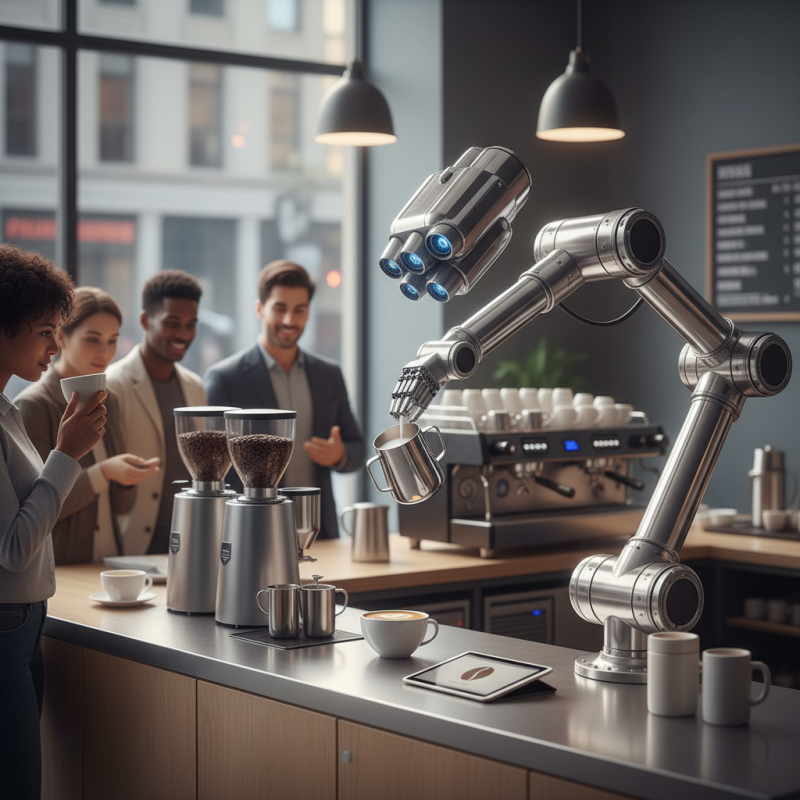
Understanding the Role of Robot Baristas in Coffee Brewing
Robot baristas are changing the way we think about coffee brewing. These machines combine technology and artistry. They can measure ingredients with precision, ensuring consistent flavor, cup after cup. However, there are limitations.
One challenge is the lack of human touch. Robots can miss small adjustments based on taste. A slight tweak in brew time can change everything. Sometimes, the final product lacks that special warmth you get from a human barista. The interaction feels different. Customers may miss the personal connection that comes with a handcrafted cup.
Moreover, robot baristas face unexpected issues. Machines can break down, leaving customers waiting. There’s something frustrating about depending on technology. Each coffee journey is unique. Robotic brewing can sometimes feel mechanical and rigid. Striking the perfect balance between efficiency and artistry remains a challenge.
Essential Components of a Robot Barista for Perfect Coffee
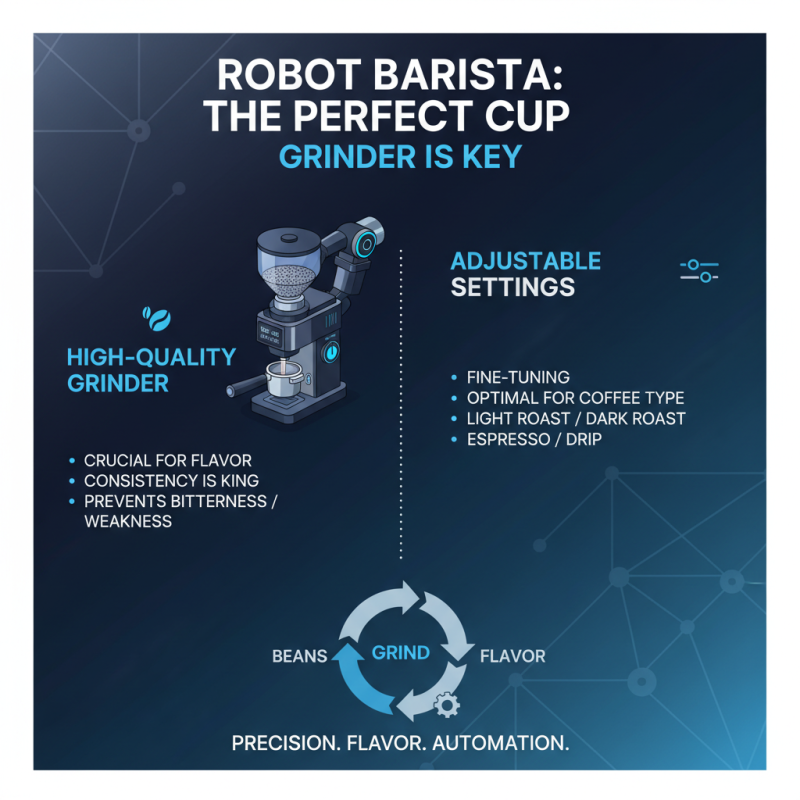
Creating the perfect cup of coffee with a robot barista involves several essential components. A high-quality grinder is crucial. It ensures that the coffee beans are ground to the right consistency. Too coarse, and the flavor is weak. Too fine, and it becomes bitter. The grinder needs to be adjustable. Users must find the optimal setting for their coffee type.
Temperature control is another vital feature. The water should be heated to the ideal brewing temperature, usually between 195°F and 205°F. If it's too hot, it can scorch the grounds. If it's too cool, the extraction will be incomplete. The robot must monitor and maintain this temperature consistently. Precision is key to achieving a balanced flavor.
Finally, the robot's ability to froth milk is important. The texture of frothed milk can elevate a simple espresso. It should be light and velvety, not too stiff or watery. Yet, achieving this texture can be challenging. The robot might struggle, leading to inconsistent results. Fine-tuning these components can require an understanding of both technology and coffee principles. This blend of art and science is what makes coffee perfection worth pursuing.
Step-by-Step Process of Brewing Coffee with a Robot Barista
Brewing coffee with a robot barista can be a unique experience. Start by setting the machine's parameters.
Choose the coffee strength, temperature, and brew time. Each setting impacts the final flavor.
Ensure the water reservoir is filled to the right level. A small mistake here could lead to a subpar brew.
Next, prepare the coffee beans. Freshly ground beans often yield better flavor.
However, the machine may require a specific grind size. If the grind is too coarse or too fine, the coffee may taste off.
Additionally, don't forget to clean the machine regularly.
Leftover coffee oils can spoil your next cup.
Throughout the process, observe the brewing.
The aroma and color changes are indicators of quality.
Sometimes, the robot may struggle with calibrations or mismeasurements.
Keep an eye on the extraction time. If it's too fast, flavors may not develop properly.
If it's too slow, the coffee can become bitter. Don’t hesitate to adjust and learn from each brewing attempt.
Each cup is a step towards perfection.
Tips for Customizing Your Coffee Experience with a Robot
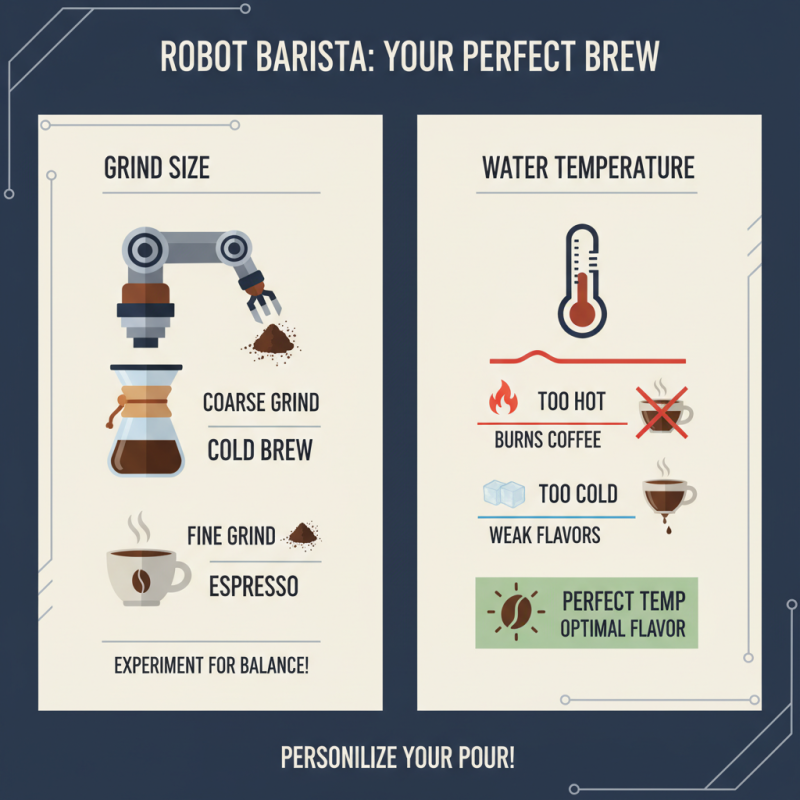
Creating a personalized coffee experience with a robot barista can be exciting yet challenging. Start by adjusting the grind size. A coarse grind works well for cold brews, while a finer size is best for espressos. Experiment and find your perfect balance. Pay attention to the water temperature as well. Too hot can burn your coffee; too cold may not extract the flavors properly.
Flavors play a huge role in your coffee journey. Many robot baristas offer various syrups and alternatives. Don’t stick with the same old vanilla. Try hazelnut or caramel next time. Adding spices could elevate your drink too. A pinch of cinnamon or nutmeg could surprise you. However, be mindful of how much you add. It can easily overwhelm the coffee's natural taste.
Customization doesn’t stop there. Adjusting milk foam can affect texture significantly. Some prefer dense foam, others like it airy. Test out both. And while robots offer convenience, they may not always achieve perfection. Occasionally, you might find your drink lacking balance. That's where your tasting skills come in. Reflect on your preferences and tweak the settings for future brews.
Maintaining and Troubleshooting Your Robot Barista for Optimal Performance
Maintaining a robot barista requires regular attention to detail. Ensure the water reservoir is filled daily. Clean the brew group more often than you think. Coffee grounds can build up quickly. A clogged filter can affect taste. Empty the drip tray regularly, too. Cleanliness equates to better flavor.
Troubleshooting is part of the journey. If the coffee tastes off, check the grind size. Too coarse or too fine can ruin the brew. Also, verify the temperature settings. If the beverage isn’t hot enough, it might need adjustment. Sometimes, a simple reset solves many issues. Don't overlook the importance of checking software updates. An outdated system can hinder performance and quality.
Pay attention to the robot's sensors. Dust and debris can cause errors. If there's a persistent problem, consult the manual. It may seem daunting at first, but troubleshooting becomes easier over time. Embrace the learning process, and don't shy away from seeking help when needed. Each cup teaches something new.