How to Open a Fully Automated Coffee Shop in 2025 and Maximize Profit
The coffee shop industry is undergoing a transformative shift, with emerging technologies poised to redefine traditional operations. By 2025, the concept of a Fully Automated Coffee Shop is set to revolutionize how coffee is brewed, prepared, and served, offering an attractive opportunity for entrepreneurs looking to maximize profit. According to a recent industry report by Market Research Future, the global coffee shop market is projected to reach a staggering $237 billion by 2025, growing at a compound annual growth rate (CAGR) of 4.2%. This growth underscores the increasing consumer demand for convenient and innovative coffee experiences.
Incorporating automation into coffee shop operations not only increases efficiency but also significantly reduces labor costs. The use of robotics in food and beverage service has been steadily rising, with a forecasted market growth of over 25% annually through 2025, as reported by Future Market Insights. A Fully Automated Coffee Shop leverages cutting-edge technology, including AI-driven order systems and robotic baristas, which can enhance customer engagement while maintaining high service quality. This automation allows for streamlined workflows and consistency in product delivery, ultimately leading to improved customer satisfaction and retention.
With the coffee culture evolving, a Fully Automated Coffee Shop can position itself at the forefront of the industry, appealing to a tech-savvy demographic that values speed and convenience. By strategically investing in automation technologies and innovative design, aspiring coffee entrepreneurs can not only meet the needs of modern consumers but also achieve sustainable profitability in a competitive marketplace.
Understanding the Concept of a Fully Automated Coffee Shop
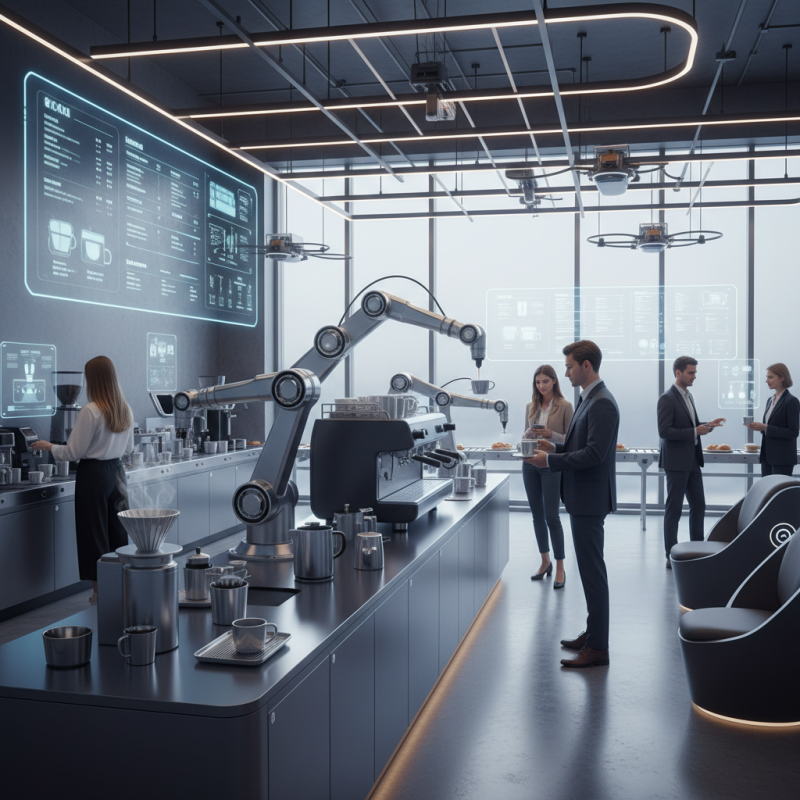
The concept of a fully automated coffee shop represents a revolutionary shift in the coffee industry, leveraging technology to enhance both efficiency and customer experience. This approach utilizes advanced robotics, artificial intelligence, and sophisticated payment systems to streamline operations, allowing a single worker to manage the entire shop while eliminating the need for traditional baristas. Customers can place their orders through an app or self-service kiosks, and the automated systems handle everything from brewing to payment processing with minimal human intervention.
One of the key benefits of a fully automated coffee shop is the potential for increased profit margins. By reducing labor costs and minimizing human errors, owners can significantly enhance their revenue streams. Additionally, automation allows for consistent product quality, as machines can replicate successful recipes perfectly every time.
**Tips:** When considering opening a fully automated coffee shop, focus on selecting the right technology partners to ensure seamless integration of systems. Invest in user-friendly interfaces for customers, making their ordering experience intuitive and enjoyable. Lastly, regularly update your software and hardware to keep up with the latest advancements in automation technology, which can further optimize your operation and attract tech-savvy customers.
Identifying Essential Technologies for Automation in Coffee Shops
In 2025, opening a fully automated coffee shop requires a keen understanding of the technologies that streamline operations and enhance customer experience. To remain competitive, entrepreneurs should focus on several essential technologies that facilitate automation. For instance, incorporating advanced POS systems equipped with AI can help manage orders efficiently, analyze purchasing patterns, and improve inventory management by predicting stock needs.
Tips: Consider investing in cloud-based solutions for your operations. These platforms not only enable remote access to sales data but also connect with supply chain systems, ensuring that inventory levels are always optimal without excess stock.
Another important aspect is the use of robotics and automated machines for brewing and serving coffee. Investing in high-quality coffee machines that can be programmed for various brewing methods allows for consistency and quality while reducing labor costs. Furthermore, implementing chatbots for customer interactions can provide instant responses and personalize customer experiences.
Tips: Test different automated brewing methods to find what best matches your customer preferences and optimize your menu based on popular selections. Use customer feedback to refine your service and product offerings continually.
Designing an Efficient Layout for a Fully Automated Coffee Space
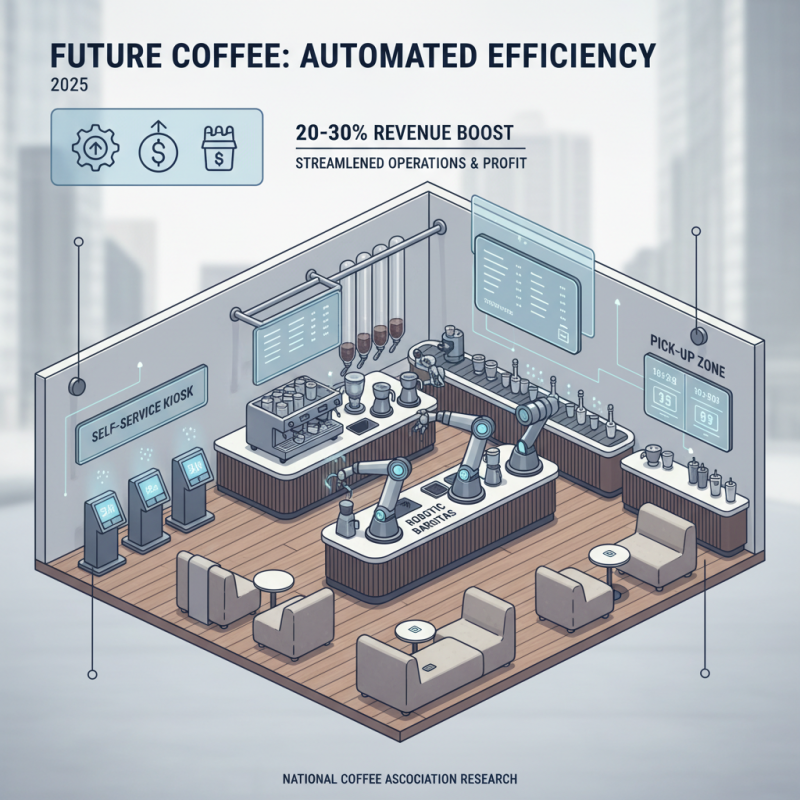
Designing an efficient layout for a fully automated coffee shop in 2025 is crucial for optimizing workflow and maximizing profitability. Research from the National Coffee Association indicates that coffee shops can see a 20-30% increase in revenue when operations are streamlined through automation. The layout should prioritize accessibility and workflow efficiency, allowing automated systems such as robotic baristas and self-service kiosks to operate seamlessly. Implementing an open-plan design can provide visibility into service areas, creating an engaging customer experience while maintaining operational efficiency.
Creating distinct zones within the coffee space can enhance efficiency further. A designated area for automated brewing stations minimizes bottlenecks, while self-pickup counters facilitate quicker service times. According to a report by IBISWorld, automated coffee shops reduce labor costs by up to 30%, highlighting how strategic layout design is essential for lowering operational expenses. By incorporating space for customer interaction with technology, such as mobile ordering and payments, businesses can cater to the evolving preferences of tech-savvy consumers, resulting in increased customer satisfaction and loyalty.
Developing a Cost-Effective Business Model for Maximum Profit
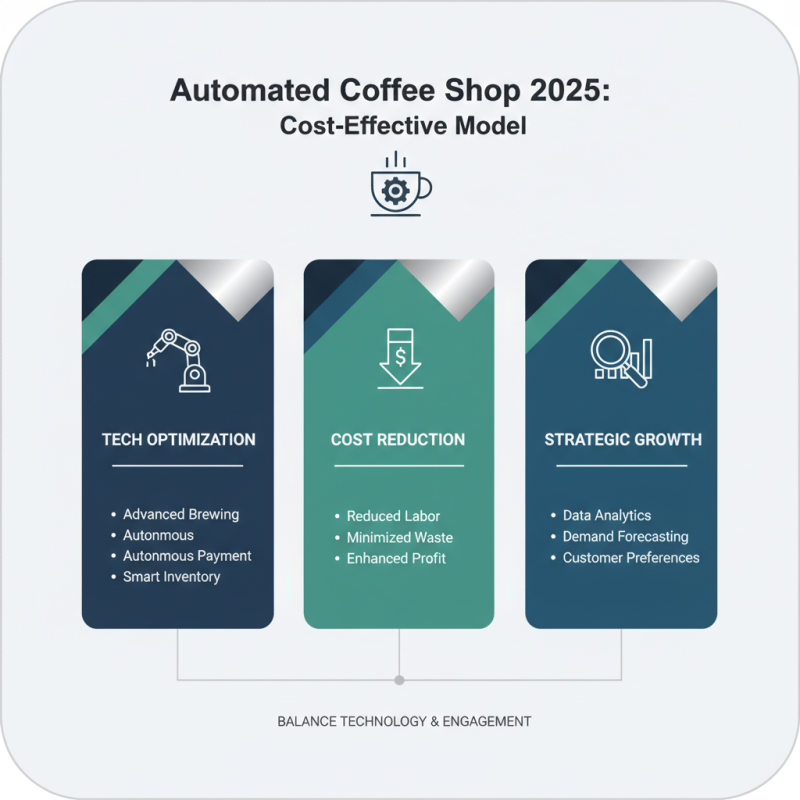
Developing a cost-effective business model for a fully automated coffee shop in 2025 requires a strategic approach that balances technology and customer engagement. One key component is the selection of automation solutions that optimize efficiency while minimizing overhead costs. Implementing advanced coffee brewing machines, autonomous payment systems, and smart inventory management can significantly reduce labor expenses. Moreover, leveraging data analytics to forecast demand can help in minimizing waste and ensuring that inventory aligns with customer preferences, enhancing overall profitability.
In addition to technology, the location and layout of the coffee shop play a critical role in maximizing profits. Choosing a high-traffic area that caters to a target demographic can drive sales volume. An efficient store layout, featuring a streamlined customer flow and self-service stations, can also reduce wait times and improve the customer experience. Emphasizing sustainability through eco-friendly practices can attract a growing segment of eco-conscious consumers, creating a unique selling proposition that differentiates the coffee shop from competitors. By combining these elements, a fully automated coffee shop can achieve both cost-effectiveness and high profit margins in a rapidly evolving market.
Implementing Marketing Strategies to Attract Customers in 2025
In 2025, attracting customers to a fully automated coffee shop will necessitate innovative marketing strategies that resonate with the evolving preferences of consumers. Recent industry reports indicate that 80% of consumers are influenced by social media when choosing a place to dine or grab coffee. Thus, developing a strong online presence will be vital. Creating engaging content on platforms like Instagram and TikTok, where visuals drive engagement, will allow the coffee shop to showcase its unique offerings and the automation technology employed, highlighting a futuristic customer experience.
Moreover, utilizing data analytics to personalize marketing efforts can significantly enhance customer acquisition. According to a study by the National Coffee Association, 63% of coffee drinkers enjoy unique flavors. Tailoring marketing campaigns to feature seasonal or limited-edition blends that cater to local tastes can draw in customers looking for novelty. Additionally, implementing loyalty programs through mobile apps can nurture a community of repeat customers while gathering valuable data on consumer preferences and shopping behaviors, thus allowing for more effective targeting and tailored promotions.
As consumers become increasingly conscious of sustainability, marketing strategies should also emphasize eco-friendly practices, such as sourcing beans responsibly and minimizing waste through automation. This can position the coffee shop not just as a place for high-quality coffee but as a socially responsible choice, appealing to the growing demographic of environmentally conscious consumers, which reportedly constitutes over 70% of millennials and Gen Z.
Projected Customer Growth for a Fully Automated Coffee Shop in 2025