China Top 10 Automated Coffee Shop Manufacturers
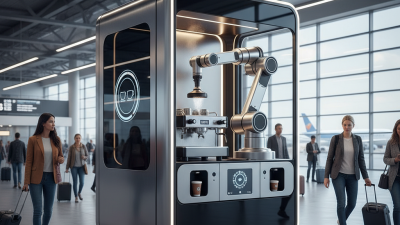
China’s coffee market is becoming faster, denser, and increasingly technology-driven. An Automated Coffee Shop can now prepare espresso, monitor inventory, and process payments within a compact footprint. For customers, the experience may involve a touchscreen, a robotic arm, and a sealed milk module. Small details matter.
The opportunity is substantial. World Coffee Portal’s Project Café China reports rapid growth in China’s branded coffee-shop market, supported by urban consumption and expanding delivery channels. The International Federation of Robotics also identifies China as the world’s largest industrial-robot market, showing a strong technological foundation for automated retail. However, no major public report measures Automated Coffee Shop revenue consistently. That limitation makes supplier comparison more difficult, not impossible.
Howard Schultz, a widely recognized coffee-retail expert, once said, “We are not in the coffee business serving people; we are in the people business serving coffee.” His observation remains relevant, even when machines replace much of the counter service. Automation must preserve taste, cleanliness, reliability, and human trust. Otherwise, the kiosk becomes only a cold appliance.
This guide examines China’s top 10 Automated Coffee Shop manufacturers through practical criteria. These include brewing consistency, machine uptime, software integration, maintenance response, customization, and compliance with food-safety requirements. It also considers real operating conditions, such as crowded metro entrances, office lobbies, and limited service spaces. The ranking is not absolute. A manufacturer with excellent hardware may provide weak after-sales support. Buyers should verify testing records, installation references, and total operating costs before making a decision.
Definition and Role of Automated Coffee Shop Manufacturers in China
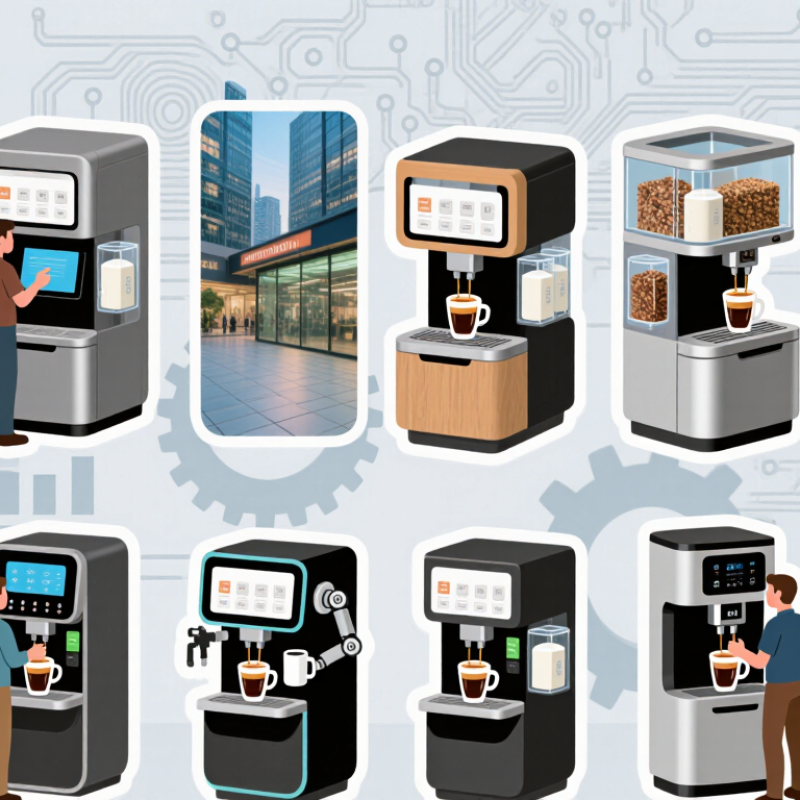
Automated coffee shop manufacturers in China are engineering companies that build, integrate, and service self-operating beverage systems. Their products may include robotic arms, automatic grinders, brewing units, refrigeration, payment terminals, and remote monitoring software. The manufacturer is not simply a machine supplier. It connects hardware, software, food handling, and store design into one working environment.
Their role begins with practical testing. Engineers adjust grinding time, water temperature, milk storage, and cup movement for different operating conditions. They also help clients select equipment, train local technicians, and establish cleaning schedules. Reliable manufacturers document production standards, maintenance procedures, and safety controls. They should provide traceable components and clear service agreements. These details matter when a machine serves customers continuously in a shopping center, office building, or transport hub.
Automation improves consistency and can reduce labor pressure, but it does not remove every risk. A robotic system may still produce uneven foam when ingredients change. Sensors can also require calibration. Small issues become obvious during busy hours. Manufacturers therefore need field experience, not only attractive demonstrations. They must test emergency stops, temperature control, software alerts, and human access for maintenance. Some systems remain expensive and technically demanding, especially for small operators. That limitation deserves honest discussion. Good manufacturers keep improving through service records, customer feedback, and controlled product updates.
Core Technologies Used in China’s Automated Coffee Shops
China’s leading automated coffee shop manufacturers compete through practical engineering, not attractive kiosks alone. Their core systems combine robotic motion, precision grinding, automatic dosing, and programmable brewing. A robotic arm may move a cup beneath the grinder, brewer, and milk dispenser within seconds. Sensors monitor temperature, liquid levels, cup placement, and extraction time. Small errors still matter.
Machine vision helps identify cup positions and detect spills before service continues. Industrial controllers connect each module through a central software system. Cloud platforms can record sales, machine status, cleaning alerts, and ingredient consumption. This supports remote maintenance, although network interruptions can still delay updates. Reliable equipment needs manual inspection, too. Automation reduces routine labor, but it does not remove responsibility.
Tips: Check cleaning access before purchasing. Test milk temperature, grinder consistency, and emergency-stop functions during demonstrations. Ask manufacturers for maintenance records and replacement-part timelines. A smooth screen means little if technicians cannot reach the internal pipes. Choose systems with clear data protection controls and adjustable recipes. Real operating conditions expose weaknesses that showroom trials may hide.
Key Evaluation Criteria for Selecting a Chinese Manufacturer
China Top 10 Automated Coffee Shop Manufacturers
Selecting a Chinese automated coffee shop manufacturer requires more than comparing catalog prices. Start with product experience and measurable performance. Request a live demonstration, not only edited videos. Observe drink preparation, cleaning steps, noise levels, and recovery after a failed payment. A reliable machine should deliver consistent taste during busy periods. Ask for test data covering brewing temperature, serving time, and daily capacity.
Technical expertise matters when equipment enters different markets. Confirm support for local voltage, payment systems, water quality, and language settings. Review factory quality controls, material specifications, software update procedures, and safety documentation. Stainless steel contact parts should be clearly identified. Ask how quickly replacement pumps, grinders, and sensors can arrive. Contact existing customers when possible. Their maintenance records may reveal more than a polished presentation. A low quotation can still attract me, but I would question its long-term service costs.
Tips: Request a small pilot order before large deployment. Test the machine for several weeks in a realistic location. Record cleaning time, ingredient waste, customer complaints, and technical response speed. Check warranty terms carefully. They may look generous, yet exclude common parts. Independent inspection can also expose weak assembly or unclear documentation. Keep written acceptance standards for taste, uptime, hygiene, and delivery. This step feels slow, but it prevents expensive assumptions.
China Top 10 Automated Coffee Shop Manufacturers
Key Evaluation Criteria for Selecting a Chinese Manufacturer
The chart presents a practical reference weighting for evaluating automated coffee-shop manufacturers in China. Product reliability, food-contact compliance, service capability, customization, and total cost should be assessed together rather than relying on price alone. The percentages are procurement reference weights, not company rankings.
China’s Top 10 Automated Coffee Shop Manufacturers
China’s Top 10 Automated Coffee Shop Manufacturers reflect a fast-changing market in smart retail. These manufacturers commonly develop robotic coffee kiosks, automated brewers, payment systems, and remote monitoring tools. A strong supplier should show working installations, clear maintenance procedures, and stable beverage quality. Factory photographs alone are not enough.
From practical evaluation, buyers should inspect extraction time, temperature control, cleaning access, and ingredient storage. A reliable machine may prepare a drink in under two minutes, but speed should not damage flavor. Ask for service records and a live demonstration. Check how the system handles low water levels, blocked outlets, and power interruptions. These small details matter in stations, offices, hospitals, and shopping centers. Some suppliers describe “unmanned” operation too broadly; staff may still need regular refilling and sanitation. That is an important limitation, and sometimes it is overlooked.
Tips:
Compare at least three technical proposals. Request a trial period. Measure daily cups, waste, downtime, and customer feedback. Review local safety requirements before installation. Do not choose only by the lowest quotation. I would also test the coffee after several hours of operation, because early samples can look better than real service.
Market Trends and Future Development of Automated Coffee Shops
China Top 10 Automated Coffee Shop Manufacturers
Market Trends and Future Development of Automated Coffee Shops
China’s automated coffee shop market is moving from novelty toward practical daily service. The International Coffee Organization reported global consumption of 177.3 million 60-kilogram bags in 2022/23. Demand remains substantial, but customers now expect speed, consistency, and clear pricing. For buyers comparing China’s top ten automated coffee shop manufacturers, these factors matter more than futuristic appearance.
Mordor Intelligence estimates that the global coffee machine market will grow at a compound annual rate of about 6.9% through 2030. This supports investment in robotic brewing, touchscreen ordering, remote equipment monitoring, and automated cleaning alerts. Small unmanned outlets can operate in office buildings, transport hubs, and residential communities. They need less floor space. They also collect useful data.
The technology is not flawless. Milk systems require strict temperature control and frequent sanitation. A remote operator may miss a blocked nozzle or an empty ingredient container. That weakness deserves attention. The International Federation of Robotics reported more than 200,000 professional service robots sold globally in 2023, showing wider acceptance of automation. Yet coffee remains a hospitality business, not only a machine process. Future manufacturers will need reliable maintenance networks, safer food-handling systems, transparent energy data, and designs that preserve human trust. Fast service helps. Warm interaction still matters.