2026 Best Robotic Cafe Solutions for Global Buyers?
A Robotic Cafe is no longer just a novelty with a glowing screen and a mechanical arm. For global buyers, it is a practical investment in service consistency, labor planning, and customer experience. The International Federation of Robotics reported about 205,000 professional service robots sold worldwide in 2023, up 30% from 2022. That figure covers many industries, not cafes alone, so it should be treated as context rather than proof of cafe demand. Still, the direction is clear: automation is moving into everyday service settings. Customers notice small things: a cup arriving at the right temperature, a counter that stays clean, and an order that is ready during the lunch rush.
The 2024 State of the Restaurant Industry report from the U.S. National Restaurant Association projected $1.1 trillion in U.S. restaurant sales for that year. It is a national forecast, not a global measure, but it shows the scale of the operating environment buyers must understand. This guide compares Robotic Cafe solutions through practical criteria: drink quality, throughput, footprint, software integration, maintenance access, and support availability. A polished demo matters. Less glamorous details matter more, sometimes. Buyers should also check how a system performs with real menus, local power requirements, staff workflows, and peak-hour demand. No robot fixes a weak business model. The best choice depends on the site, budget, and service goals, and some trade-offs will remain.
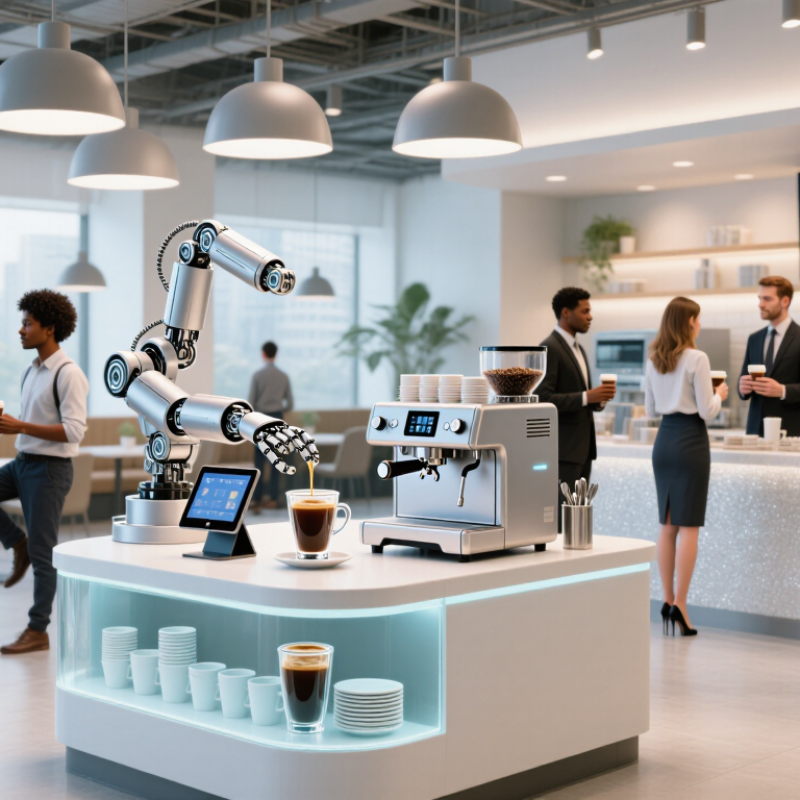
What Defines a Robotic Cafe Solution in 2026?
What Defines a Robotic Cafe Solution in 2026?
A robotic cafe solution is more than a mechanical arm serving coffee. It combines automated preparation, payment, cleaning, safety monitoring, and human support. The International Federation of Robotics reported nearly 205,000 professional service robots sold in 2023. That 30% annual increase shows strong demand for practical automation. Yet adoption is not automatic. A cafe system must handle unstable internet, changing menus, local food rules, and busy queues. Real experience matters. A machine that performs well in a showroom may struggle beside a crowded entrance.
Tips: Test the complete workflow, not just the robot. Measure order time, cleaning time, error recovery, and staff training hours. Ask for maintenance records and independent safety documentation. The National Restaurant Association projected US restaurant sales above $1 trillion in 2024, proving the market is large, but labor and service pressure remain serious. Buyers should calculate payback using local wages, energy costs, rent, and downtime.
A reliable 2026 solution should support modular upgrades. Payment hardware may change before the dispensing unit does. Open data connections can reduce future replacement costs. Human oversight remains essential for allergies, complaints, equipment faults, and unusual orders. This is often overlooked. Accessibility also matters, including screen height, voice options, and clear visual instructions. Cybersecurity deserves equal attention because customer and payment data require protection. The weak point is simple: automation can reduce repetitive work, but it cannot understand every customer equally well. Pilot testing in one real cafe is safer than copying a polished demonstration.
How Robotic Cafe Systems Prepare and Serve Different Drinks
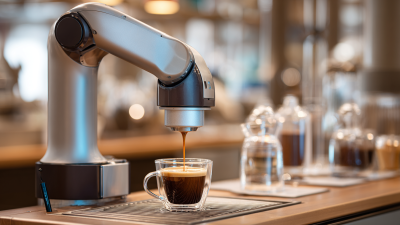
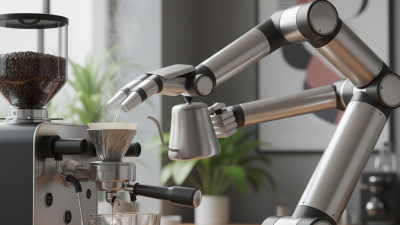
Robotic cafe systems convert an order into a controlled drink sequence. A touchscreen records size, strength, ice, milk, and temperature choices. The machine then doses beans, grinds them, and brews each serving with repeatable timing. Its internal sensors can check water flow and ingredient levels.
According to the International Federation of Robotics’ World Robotics 2024 report, professional service robot sales exceeded 200,000 units in 2023. That growth supports automated food and beverage operations, but reliability still depends on maintenance and staff training.
Drink preparation changes with each recipe. Espresso requires grinding, tamping, pressure, and extraction. Milk drinks need measured steaming or chilled dispensing. Iced beverages may combine brewed coffee, syrup, milk, and ice in separate stages. The system can rinse contact parts between cycles and alert operators when cleaning is overdue.
The International Coffee Organization reported global coffee consumption near 177 million 60-kilogram bags in 2022/23. Demand is large, but automation does not guarantee better taste. Calibration can drift. Human review remains necessary.
Tips: Test local water quality before installation. Set separate profiles for hot, cold, and dairy-based drinks. Watch the first cups during every shift. Keep a manual service plan nearby. It sounds basic. It prevents expensive surprises.
Which Robotic Cafe Formats Suit Different Business Settings?
Robotic cafe solutions should match the setting, not merely display impressive machinery.
In airports and railway stations, compact automated coffee kiosks suit high passenger flow. They need sealed ingredient modules, remote monitoring, and rapid cleaning access.
The International Federation of Robotics reported nearly 200,000 professional service robots sold globally in 2023.
That growth shows stronger acceptance of automation in public-facing operations, but reliability remains more important than novelty.
Shopping centers may benefit from semi-automated cafe counters. Staff can prepare fresh food while robotic systems handle dosing, brewing, and payment. This format protects customer interaction and reduces repetitive work during lunch peaks.
Grand View Research’s 2024 analysis valued the global food robotics market at over 2 billion US dollars, with continued growth expected through the decade.
The figure is encouraging, although market forecasts can change quickly. Buyers should request local service data, not trust projections alone.
Office towers and hospitals require quieter, smaller systems. A wall-mounted coffee station can operate in limited floor space, while touchless ordering improves hygiene control. Hotels may choose a staffed robotic showcase cafe, especially in lobbies with steady morning demand.
I have seen one practical weakness repeatedly: a machine can brew consistently, yet fail when waste bins fill or milk lines need attention.
Every proposal should include cleaning times, spare-part access, staff training, and a manual service fallback.
The best format is often less futuristic.
How Global Buyers Can Compare Vendors and Capabilities
2026 Best Robotic Cafe Solutions for Global Buyers?
Global buyers should compare operating capability, not showroom appearance. The International Federation of Robotics reported almost 205,000 professional service robots sold in 2023, up 30% year on year. However, this figure covers many industries, not cafes alone. Numbers expose gaps.
Request a live test during a busy service period. Measure drink delivery time, order accuracy, queue recovery, and cleaning intervals. Ask whether the system connects with existing ordering, payment, and kitchen software. A vendor should provide uptime records, maintenance response times, spare-parts locations, and operator training details. Pilot it live.
The National Restaurant Association projected U.S. restaurant sales above 1 trillion dollars in 2024, while labor and operating costs remained major concerns. That pressure makes automation attractive, but labor savings should not be assumed. Compare the total five-year cost, including installation, software fees, electricity, repairs, and staff supervision. Also examine navigation around children, narrow aisles, wet floors, and emergency stops. A polished demonstration can hide weak recovery behavior. I would require references from similar venues and written performance limits. Some vendors may not disclose failure rates clearly. That is a warning, not a minor detail.
2026 Best Robotic Cafe Solutions for Global Buyers
How global buyers can compare vendors and capabilities using a 100-point procurement framework.
The weighting reflects practical purchasing priorities for robotic cafe deployments: food safety and compliance, operational reliability, service capacity, system integration, and lifecycle support. Buyers should validate each score with documented tests, local certifications, reference sites, and service-level agreements.
What to Assess Before Installation, Operation, and Expansion
For global buyers, evaluating robotic cafe solutions begins long before delivery.
Measure the site carefully, including door width, floor strength, ceiling height, drainage, and power stability. A machine may fit the layout but fail during peak service. Check local food safety rules, electrical standards, accessibility requirements, and worker protection obligations. Ask for documented testing, maintenance records, and clear responsibility for software updates.
Installation needs practical planning.
Reserve space for ingredient storage, cleaning tools, waste handling, and emergency access. Confirm whether technicians are available within the buyer’s region. Training should cover daily calibration, sanitation, fault recovery, and safe customer interaction. Keep a manual backup process. Small delays become visible quickly.
Operation reveals the real value.
Track serving time, product consistency, energy use, cleaning duration, and failed orders for several weeks. Staff feedback matters, especially when routines change during busy periods. A pilot can still fail. That failure is useful if the buyer records why. Expansion should follow measured demand, not optimistic forecasts. Review spare-part supply, remote support quality, data protection practices, and staff training capacity before adding more units. Different countries may need different menus, payment methods, languages, and service workflows. A design that performs well in one location may need substantial adjustment elsewhere. Evolution is expected.