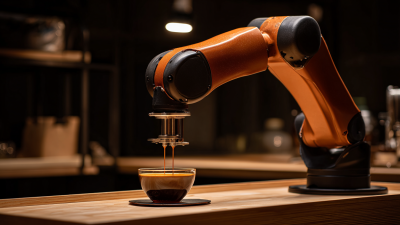
Why Are Automated Coffee Machines in High Demand?
Automated Coffee machines are gaining attention because they promise a reliable cup with less waiting and fewer steps. A customer taps a screen, selects a latte, and watches milk foam settle into the cup. For cafés, offices, hotels, and homes, that repeatable process can make busy service easier to manage. Convenience matters—but it is not the whole story.
The National Coffee Association’s 2024 National Coffee Data Trends report found that 67% of U.S. adults had coffee in the past day, a record high in its survey. The same report found that 45% had specialty coffee. These figures show a large, varied coffee audience; they do not directly measure automated-machine sales. That distinction matters. Still, more daily coffee occasions create room for machines that serve different tastes consistently. Fast, yes. But not automatically better.
Howard Schultz, the former Starbucks chairman and CEO, offered a useful principle: “We are not in the coffee business serving people, but in the people business serving coffee.” Applied to automation, his words suggest that a machine should support hospitality, not replace attention to the customer. Buyers also weigh drink variety, cleaning time, maintenance, and cost. A spotless touchscreen cannot rescue a machine that makes a weak espresso or frustrates staff. The picture is not perfect, either: speed may improve, while the craft and warmth of service can feel thinner. That trade-off deserves honest scrutiny. Automated Coffee is in demand not simply because it is new, but because people want dependable drinks in settings where time, quality, and ease must meet.
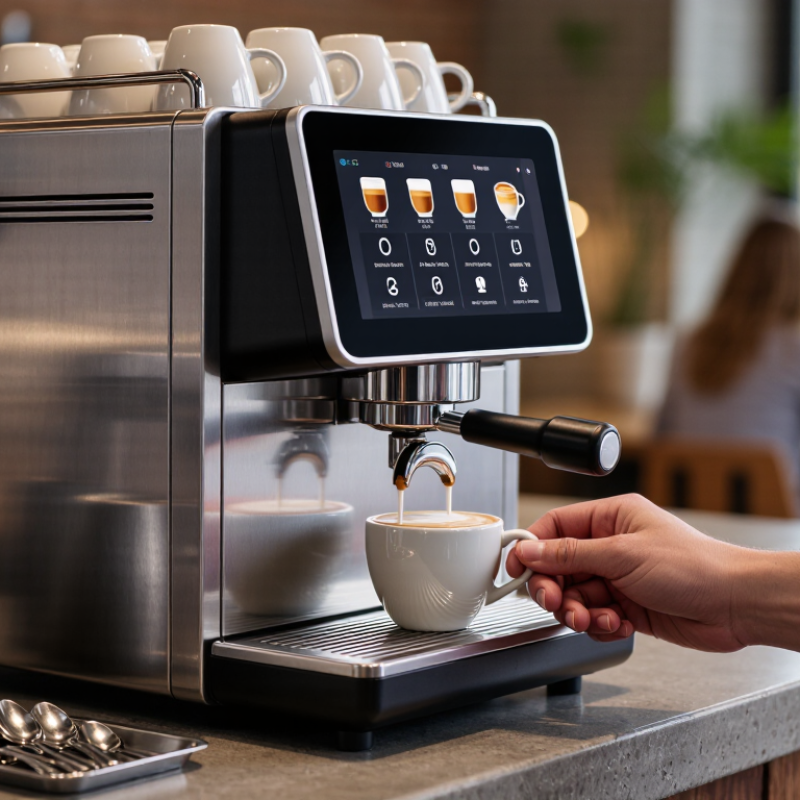
What Automated Coffee Machines Are
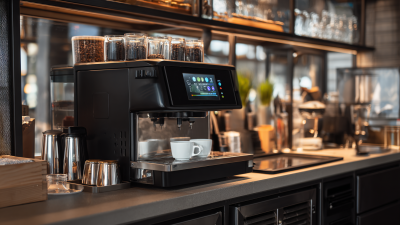
Automated coffee machines combine several brewing steps inside one appliance. Depending on the model, they may grind whole beans, measure a dose, tamp the grounds, control water temperature, and brew at the touch of a button. Some also heat and froth milk. The level of automation varies: a machine might handle brewing but still require manual grinding or milk preparation. “Automatic” is not one fixed category.
In a fully automated bean-to-cup machine, beans move from a hopper into an internal grinder, then into a brew unit where hot water passes through the grounds under pressure. A small cup, the grinder’s low mechanical hum, and spent coffee grounds in a drawer are ordinary parts of daily use. Cleaning still matters. Oils and residue build up, and neglected milk systems can affect taste and hygiene.
Demand makes more sense against coffee’s everyday reach. The National Coffee Association’s 2024 National Coffee Data Trends report found that 67% of U.S. adults had coffee in the previous day. The International Coffee Organization estimated global coffee consumption at 177 million 60-kilogram bags in 2023/24. These figures describe coffee drinking, not machine sales, so they should not be treated as proof of appliance demand. Still, they show why convenient home brewing appeals to many people. The word “automatic” can mislead: convenience does not mean maintenance-free, and the result may not suit every taste.
How Automated Coffee Machines Prepare Coffee
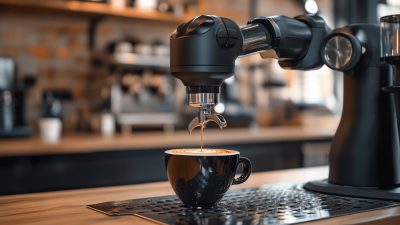
An automated coffee machine turns a sequence of small choices into a repeatable cup. In bean-to-cup models, burrs grind whole beans, a measured dose drops into a brew chamber, and water heats before a pump pushes it through the grounds. Some machines tamp automatically; others use pods or pre-ground coffee. The machine then sends the brewed coffee into a cup and may rinse its internal pathways. You can hear the grinder, then the brief hiss of hot water. The details vary by machine.
A useful reference is the Specialty Coffee Association’s Coffee Brewing Control Chart. For brewed filter coffee, it places a common target at 18–22% extraction yield and 1.15–1.35% total dissolved solids. These are guidelines, not universal settings: grind size, water temperature, and contact time all shift the result. Automation helps control those variables, but it cannot fix stale beans or poor water. The weak link? Often the beans. The National Coffee Association’s 2024 National Coffee Data Trends report found that 67% of U.S. adults had coffee in the past day, making consistency important across many daily cups. Still, a saved recipe can taste flat when the grinder is dirty. A quick rinse helps, but a full cleaning schedule matters too.
Where Automated Coffee Machines Are Used
Automated coffee machines fit places where people need a reliable cup without waiting for a trained barista. Offices use them in break rooms, lobbies, and shared kitchens, where short queues matter during morning arrivals. The National Coffee Association’s 2024 National Coffee Data Trends report found that 67% of U.S. adults drink coffee daily. That figure does not measure machine use, but it helps explain why workplaces invest in convenient brewing. A machine beside the meeting rooms can serve visitors, while a compact unit suits a small staff kitchen. Small details matter: cup size, refill access, and how quickly the machine can be cleaned.
Hotels, hospitals, universities, and transport hubs use automated machines for similar reasons. Guests may want coffee before breakfast service opens; students often need it between classes. In hospitals, staff may value quick access during long shifts, though machines should not replace suitable break spaces. Airports and station cafés also use self-service equipment where customers move quickly. The International Coffee Organization estimated global coffee consumption at about 177 million 60-kilogram bags in 2023/24. This gives context to coffee’s scale, not proof that automation is growing in every setting. That distinction is easy to miss. A machine can reduce serving time, but it still needs regular cleaning, ingredient checks, and someone who notices when the coffee tastes wrong. Automation is convenient, not maintenance-free.
Why Are Automated Coffee Machines in High Demand?
Where automated coffee machines are commonly used
Offices, hospitality venues, cafés, healthcare facilities, campuses, and transport hubs use automated coffee machines to provide convenient drinks with less manual preparation. Values are an illustrative relative-use index, not measured market-share data.
Why Demand for Automated Coffee Machines Is Growing
Demand for automated coffee machines is growing because coffee has become a repeated daily purchase, not an occasional treat. The National Coffee Association’s 2024 National Coffee Data Trends report found that 67% of U.S. adults had coffee the previous day, the highest share in two decades. The International Coffee Organization estimated global coffee consumption at 177 million 60-kilogram bags in 2023/24, up 2.2% from the prior year. These figures do not measure machine sales directly, but they point to a large, steady need for convenient preparation.
Automation fits kitchens, offices, hotels, and small cafés where staff need drinks made quickly and consistently. A machine can grind beans, control water temperature, and dispense a cup while someone handles another task. Touchscreen recipes and adjustable strength also serve people who want different drinks without learning manual brewing. Convenience matters. For operators, fewer preparation steps can make busy morning queues easier to manage, though cleaning and maintenance still take time.
The demand story is not only about speed. Many buyers want café-style drinks at home, while workplaces use machines to offer coffee without assigning someone to brew every cup. Still, high coffee consumption does not automatically prove that every buyer wants automation; price, counter space, repair access, and taste all matter. That distinction is easy to overlook. A machine may save effort, but a neglected milk system or poorly calibrated grinder can quickly weaken the cup.
What Factors Shape Their Wider Adoption
Automated coffee machines are gaining attention because they fit a routine people already have.
The National Coffee Association’s 2024 National Coffee Data Trends report found that 67% of U.S. adults had coffee the previous day, a 20-year high. That figure measures coffee drinking, not machine purchases, but it helps explain why speed and repeatable results matter. At home, a preset button can deliver a drink before the morning rush; in a small office, it can reduce queues and guesswork. Convenience is tangible.
Wider adoption depends on more than convenience. The International Coffee Organization estimated global coffee consumption at 177 million 60-kilogram bags in 2023/24, up 2.2% from the prior year. Sustained demand supports interest in easier preparation, while buyers still weigh price, counter space, cleaning, and repair access. A machine that grinds beans may offer fresher flavor, but its grinder and milk system add cleaning steps. There is a catch. Hard water can shorten equipment life, and automatic settings may not suit every bean or taste. For cafés and workplaces, reliable output and quick servicing can matter more than extra drink options. For households, the real test is whether daily use justifies the purchase and maintenance costs. Convenience helps, but it does not erase upkeep.